Wild Birds in the UK: Types, ID & Feeding Guide
Discover UK wild bird types, identification tips, safe foods, nesting box advice, Feeding and how to spot bird flu symptoms in your garden.
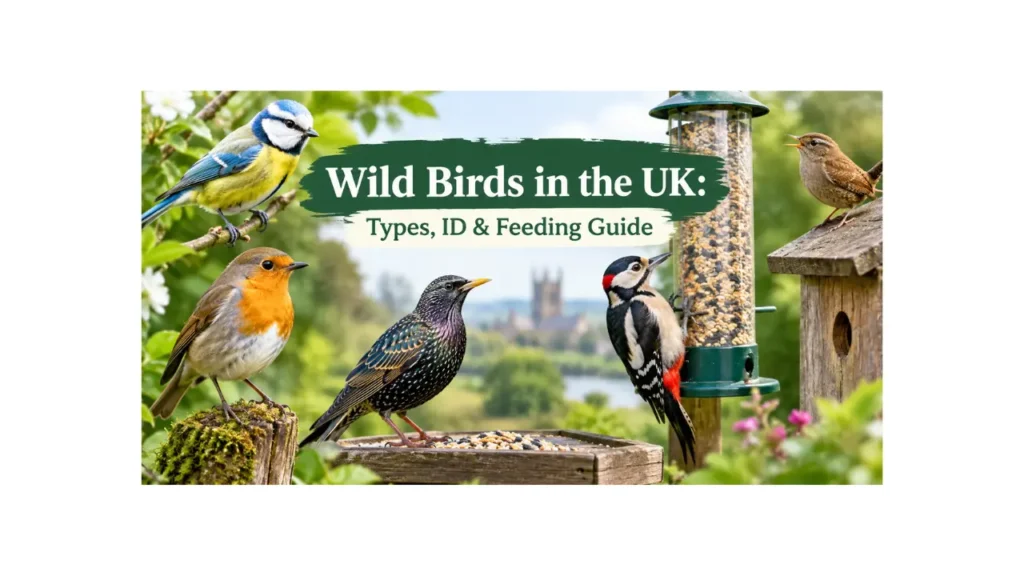
Step into any British garden or woodland and you’ll hear it before you see it: the UK’s wild birds in full chorus. This guide covers how to identify them, what they eat, and how to feed them safely.
UK Wild Birds and British Bird Species
Britain’s bird population is shaped by its mild climate, varied landscapes, and mix of coastal, woodland, and urban habitats. This variety means you’ll encounter everything from tiny wrens to majestic birds of prey, often within just a few miles of each other.
British Wild Birds
British wild birds range from familiar garden visitors to rarer species found only in specific regions. The blackbird, house sparrow, and blue tit are among the most commonly spotted, while species like the kingfisher or barn owl are less frequently seen but just as beloved.
Wild Birds of Britain
Across Britain, bird populations shift with the seasons. Some species, like swallows, migrate to warmer climates in winter, while others, such as robins, stay put year-round and become even more visible against the bare winter landscape.
Wild Birds in England
England specifically hosts a mix of woodland, farmland, and urban bird species. Cities like London still support surprising numbers of peregrine falcons, while rural counties like Norfolk are known for wetland birds such as marsh harriers.
English Wild Birds
English wild birds often adapt well to human presence, which is why species like pigeons, magpies, and starlings thrive in towns and cities. This adaptability is part of what makes bird watching so accessible, even for people without a garden.
Wild Birds in the UK
Taken as a whole, the UK is home to over 600 recorded bird species, though only around 250 breed here regularly. The rest are migratory visitors, passing through during spring and autumn journeys.
Types of Wild Birds in the UK
Not all wild are created equal. They vary dramatically in size, colour, habitat, and behaviour.
Small Wild Birds in the UK
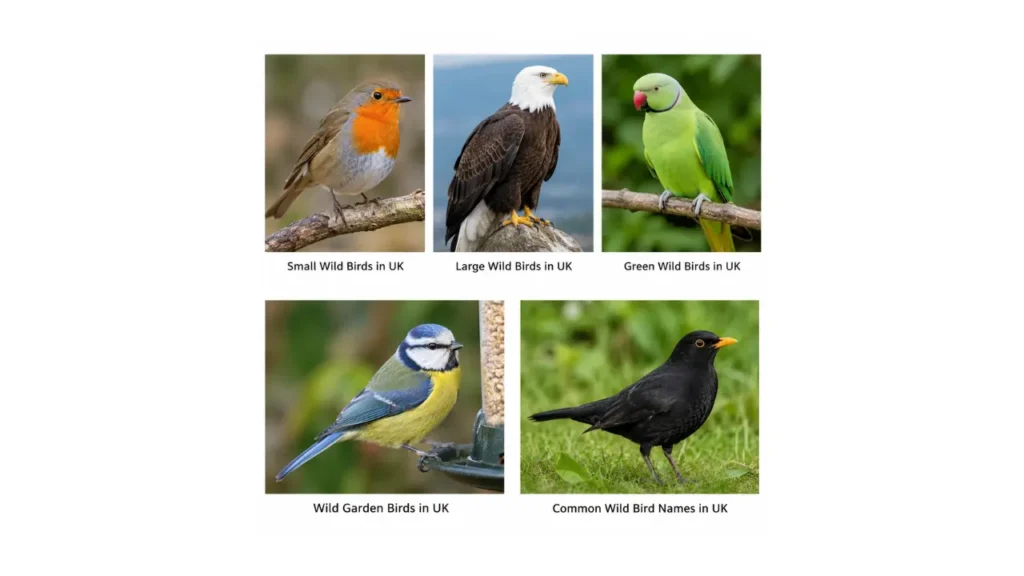
Small birds like wrens, goldcrests, and long-tailed tits are among the tiniest in the UK, often weighing less than a £1 coin. Despite their size, many have surprisingly loud, distinctive songs.
Large Wild Birds in the UK
On the other end of the scale, large birds such as herons, mute swans, and golden eagles command attention with their impressive wingspans. The mute swan, for example, can have a wingspan of over two metres.
Green Wild Birds in the UK
Green-coloured birds are rarer in the UK than you might expect. The green woodpecker is the most recognisable, with its vivid green back and distinctive laughing call, often heard before it’s seen.
Wild Garden Birds
Garden birds are the species most people encounter daily. Blue tits, robins, blackbirds, and house sparrows are regular visitors to bird feeders and hedgerows across the country.
Common Wild Bird Names
Some of the most commonly spotted and named UK birds include the robin, wren, blackbird, chaffinch, wood pigeon, and magpie. Learning these names is often the first step toward more confident bird identification.
How to Identify UK Wild Birds
Identifying birds accurately takes a bit of practice, but a few key techniques make it much easier.
UK Wild Bird Identification
Start by noting size, colour, beak shape, and behaviour. A short, stubby beak often suggests a seed-eater, while a long, thin beak may belong to a bird that feeds on insects or nectar.
British Wild Bird Identification
Pay attention to markings like eye stripes, wing bars, and tail shape. The chaffinch, for instance, has a distinctive white wing bar that helps distinguish it from similar finches.
British Wild Birds List
Keeping a checklist of commonly seen species can help build your identification skills over time. Popular field guides and apps often organise birds by habitat, making it easier to narrow down possibilities.
UK Wild Birds Pictures and Images
Visual references are invaluable for identification. Comparing a bird you’ve spotted against clear photographs helps confirm details like colouring and proportions that can be tricky to judge from memory alone.
What Do Wild Birds Eat?
Diet varies enormously between species, and understanding this is key to attracting and supporting birds in your area.
What Can Wild Birds Eat?
Most wild birds eat a combination of seeds, insects, berries, and, depending on the species, small amounts of fruit. Birds of prey, meanwhile, feed on small mammals and other birds.
Best Food for Wild Birds
Sunflower hearts, nyjer seed, and suet pellets are among the best foods for attracting a wide range of garden birds. These options are high in energy, which is especially important during colder months.
Food for Wild Birds
Mixed seed blends work well for general feeding, though they should ideally be labelled for this specifically, as some mixes contain fillers that offer little nutritional value.
What to Feed Wild Birds
A varied diet works best. Offering a mix of seeds, mealworms, and fruit throughout the year helps support different species with different nutritional needs.
Can Wild Birds Eat Grapes?
Yes, grapes are safe for many birds and are particularly popular with blackbirds and thrushes. It’s best to cut larger grapes in half to make them easier to eat.
Do Wild Birds Eat Apples?
Apples are another good option, especially in autumn and winter. Simply slice them and place them on a bird table or the ground, where blackbirds and starlings often enjoy them.
Can Wild Birds Eat Bread?
Bread is generally discouraged as a primary food source. It offers little nutritional value and can fill birds up without giving them the energy they need, so it’s best offered only occasionally, if at all.
Feeding Wild Birds in Your Garden
Setting up a feeding station is one of the simplest ways to support local bird populations.
How to Feed Wild Birds
Use a mix of feeders, hanging feeders for seeds, ground trays for larger birds, and suet holders, to accommodate different feeding styles and species.
Feeding Wild Birds Safely
Clean feeders regularly to prevent the spread of disease, and avoid placing food near windows where birds might collide with glass while flying to and from the feeder.
Wild Garden Birds and Garden Feeding
Positioning feeders near shrubs or trees gives birds a safe place to retreat if a predator, like a neighbourhood cat, appears. This small step can make a big difference in feeding success.
Nesting Boxes for Wild Birds
Beyond food, providing shelter is another valuable way to support these populations.
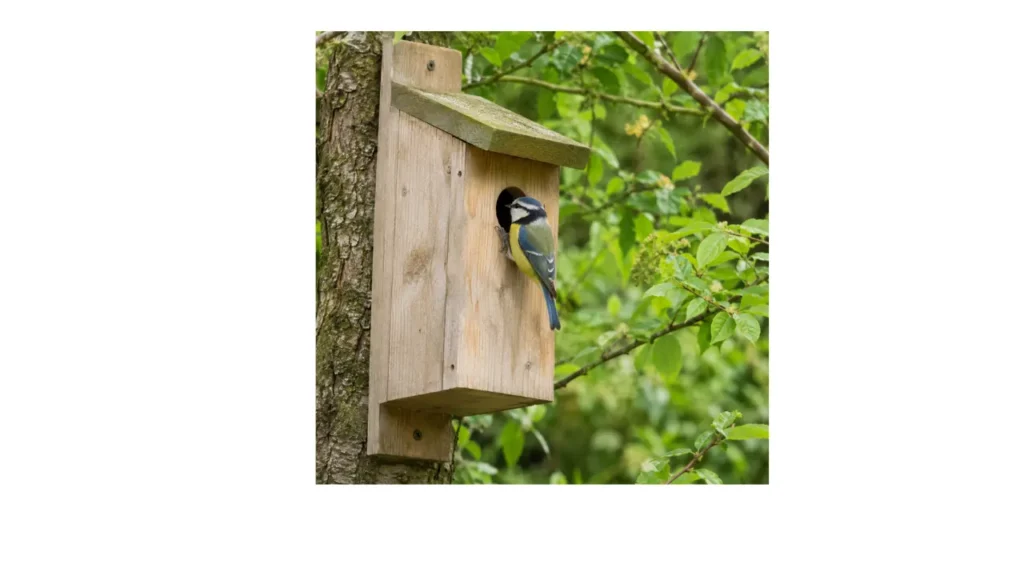
Why Wild Birds Use Nesting Boxes
Natural nesting sites like tree hollows have become scarcer in many areas, making nesting boxes an important substitute, particularly in gardens and urban spaces.
Choosing Nesting Boxes for Wild Birds
Entrance hole size matters. A 25mm hole suits blue tits, while larger holes accommodate species like sparrows or starlings. Matching the box to your target species increases the chances of it being used.
Where to Place a Bird Nesting Box
Boxes should be placed two to four metres above ground, facing away from direct sunlight and prevailing winds, ideally somewhere sheltered but with a clear flight path.
Bird Flu in Wild Birds
Avian influenza remains an ongoing concern for their populations across the UK.
Symptoms of Bird Flu in Wild Birds
Infected birds may show lethargy, difficulty breathing, or lack of coordination. Not all infected birds display obvious symptoms, which makes reporting suspicious deaths important.
Signs of Bird Flu in Wild Birds
Multiple dead birds found in the same location, especially waterfowl or birds of prey, can be a sign of an outbreak and should be treated with caution.
What to Do If You Find a Sick Wild Bird
Avoid direct contact with sick or dead birds. If you must move one, use gloves or a bag as a barrier, and wash your hands thoroughly afterward.
How to Report Dead Wild Birds
In the UK, dead wild birds, particularly waterfowl, gulls, or birds of prey, can be reported to the Department for Environment, Food & Rural Affairs helpline for tracking and monitoring purposes.
Wild Birds Near You
Finding local birdlife is often easier than people expect.
Wild Birds Near Me
Local parks, nature reserves, and even quiet residential streets often host a surprising variety of species. Early morning is typically the best time for spotting activity.
Finding Wild Birds in the UK
Wetland centres, RSPB reserves, and coastal areas are particularly rich in birdlife, offering the chance to see species you might not encounter in a typical garden.
Wild Birds in Britain
Seasonal migration means the birds you see can change dramatically throughout the year, with summer visitors like swifts giving way to winter arrivals like fieldfares.
Frequently Asked Questions About Wild Birds
What do wild birds eat?
Most of these eat a mix of seeds, insects, berries, and fruit, depending on the species.
What can I feed wild birds?
Sunflower hearts, suet pellets, mealworms, and fruit like apples and grapes are all good options.
Can wild birds eat grapes?
Yes, grapes are safe and popular with species like blackbirds and thrushes.
Can wild birds eat bread?
Bread offers little nutritional value and should only be given occasionally, if at all.
Do wild birds eat apples?
Yes, sliced apples are enjoyed by many garden birds, especially in colder months.
Conclusion
Britain’s wild birds bring colour, sound, and life to gardens and green spaces across the country. By learning to identify them and feeding them safely, you can play a small but meaningful part in supporting local bird populations. Whether it’s a robin at your feeder or a heron by the water, every sighting connects you a little more to the UK’s rich birdlife.