
40+ Bedroom Ideas to Create a Stylish and Cozy Space
Discover 40+ bedroom ideas for layout, color, lighting, and decor to create a stylish, cozy space that feels comfortable, personal, and inviting.
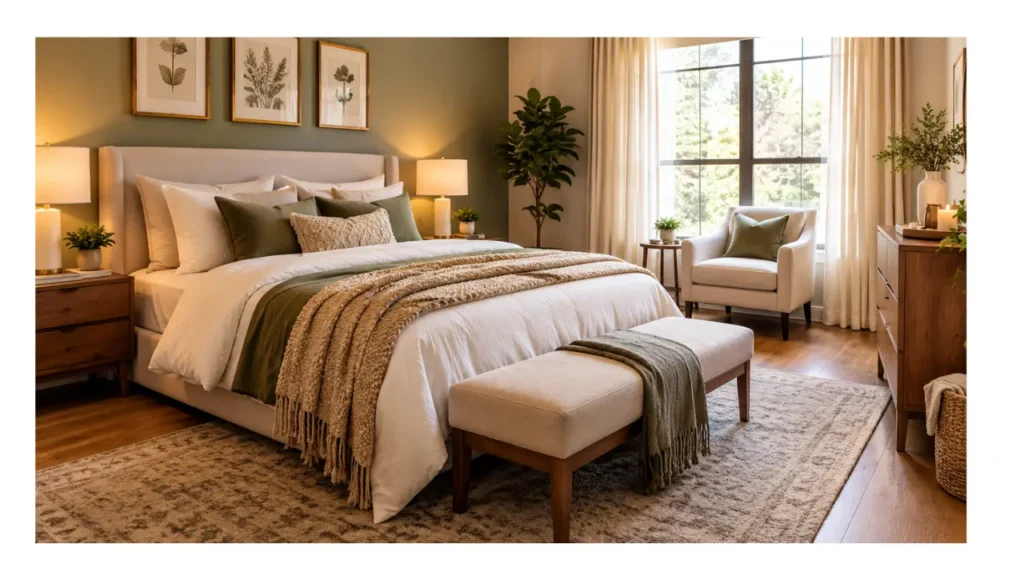
In this guide, you’ll find over 40 bedroom ideas covering layout, color, lighting, textures, and decor styles. Whether you’re working with a spacious primary suite or a small guest room, there’s something here to help you design a space that feels both stylish and comfortable.
How to Design a Bedroom That Feels Stylish and Comfortable
Good bedroom design starts with function, not decoration. Before you pick a paint color or buy new pillows, think about how the room actually works for you.
A bedroom that looks beautiful in photos but feels awkward to move through will never feel truly comfortable. Layout and atmosphere come first. Everything else builds on top.
Choose a Practical Bedroom Layout
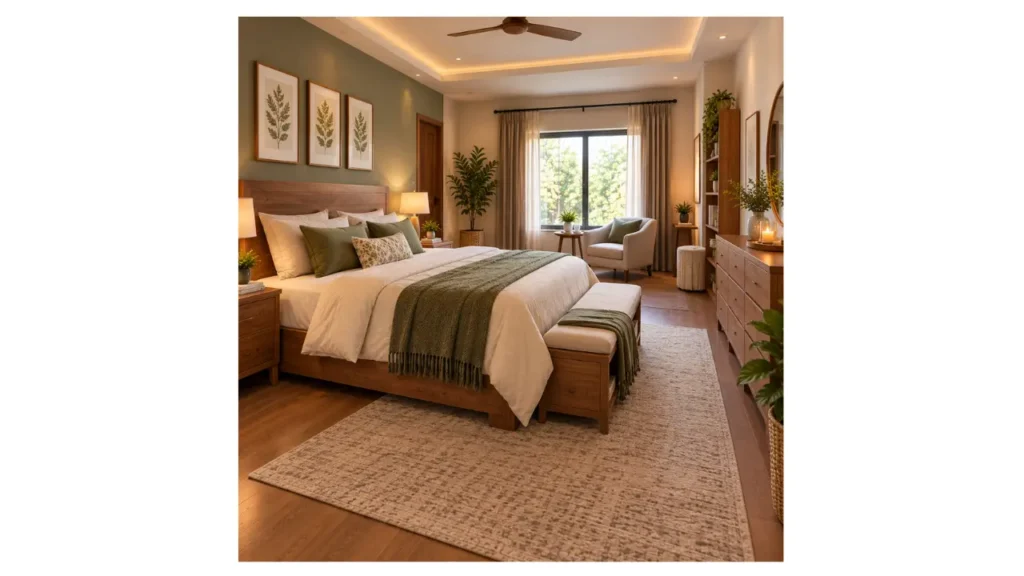
Start with the bed. It’s the largest piece of furniture in the room, so its placement determines everything else.
In most cases, the bed works best centered on the wall farthest from the door. This creates a sense of balance and gives you a clear view of the entrance, which many people find more restful.
Leave at least two feet of walking space around the bed where possible. Nightstands should sit within easy reach, and dressers or wardrobes should not block natural walkways.
If your room has an awkward angle, a sloped ceiling, or an unusual window placement, work with those features instead of against them. Forcing a standard layout into a non-standard room usually creates more problems than it solves.
Create a Cozy and Relaxing Atmosphere
Coziness comes from layering, not from any single item. Soft lighting, warm textiles, and a few personal touches do more for atmosphere than an expensive statement piece.
Keep harsh overhead lighting to a minimum. Instead, rely on lamps, string lights, or dimmable fixtures that let you adjust the mood.
Add texture through blankets, rugs, and curtains. A room with only hard, smooth surfaces tends to feel cold, even if the color palette is warm.
Finally, reduce clutter. A cozy bedroom is calm, and calm spaces are usually tidy ones. This doesn’t mean minimalism is required, just that surfaces should feel intentional rather than crowded.
Make Your Bed the Focal Point
Since the bed dominates the room visually, it makes sense to design around it rather than treating it as an afterthought.
Choose a Statement Headboard
A bold headboard instantly elevates a bedroom. Upholstered headboards in velvet or linen add softness, while carved wood options bring a more traditional feel.
If you want drama without a large purchase, consider a headboard painted directly onto the wall, or one made from a reclaimed door or wood panel. These options add personality at a fraction of the cost of custom furniture.
Layer Bedding for a Cozy Look
Layered bedding looks more expensive than it actually is. Start with a fitted sheet and flat sheet, add a lightweight duvet or quilt, then top it with a folded throw blanket at the foot of the bed.
Mix textures rather than matching everything exactly. A linen duvet cover with a chunky knit throw and a couple of velvet pillows creates visual interest without looking chaotic.
Stick to two or three coordinating colors so the layers feel put-together rather than mismatched.
Design a Cozy Canopy Bed
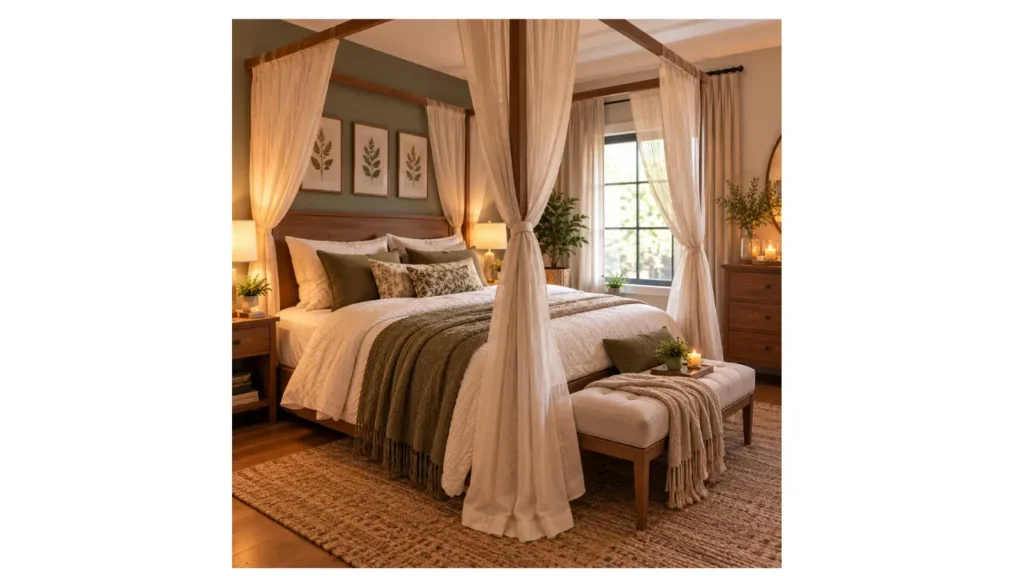
Canopy beds bring a romantic, enclosed feeling to a bedroom. You don’t need an antique four-poster frame to achieve this look.
Simple curtain rods mounted above the bed, draped with sheer or lightweight fabric, create a similar effect at a much lower cost. This works particularly well in bedrooms with high ceilings, where the extra height can otherwise feel empty.
Choose the Right Bedroom Colors
Color has a bigger impact on how a bedroom feels than almost any other design choice. The right palette can make a small room feel larger or a large room feel more intimate.
Embrace Calming Green and Sage
Sage green has become a popular bedroom color, and for good reason. It’s soft enough to feel restful but has more depth than a plain neutral.
Pair sage walls with warm wood furniture and cream bedding for a natural, grounded look. This combination works well in bedrooms that get plenty of natural light.
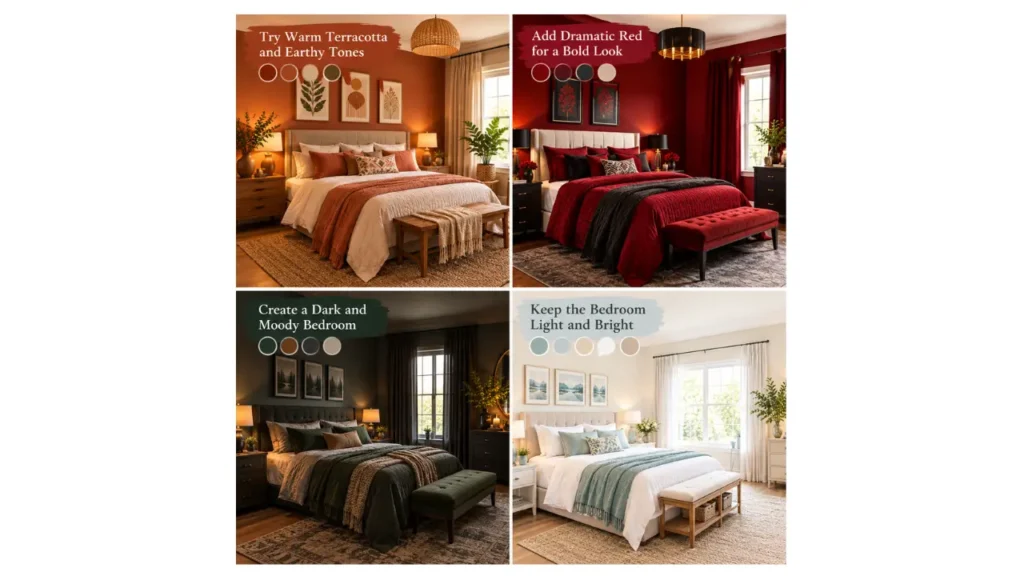
Try Warm Terracotta and Earthy Tones
Terracotta and other clay-based tones bring warmth without feeling overly bold. These colors work particularly well as an accent wall behind the headboard.
Combine terracotta with rattan, jute, and other natural materials to reinforce the earthy feel. This palette tends to suit bedrooms with south-facing windows, where the warm light enhances the tones.
Add Dramatic Red for a Bold Look
Red isn’t a common bedroom color, but used carefully, it can be striking. Deep, muted shades like brick or oxblood work better than bright red, which can feel overwhelming in a space meant for rest.
Consider red on a single wall rather than throughout the entire room, and balance it with plenty of neutral furniture and soft lighting.
Create a Dark and Moody Bedroom
Dark bedrooms have grown in popularity, especially for people who want their bedroom to feel distinctly different from the rest of the home.
Charcoal, deep navy, and near-black shades work well when paired with metallic accents like brass or gold. Good lighting is essential here, since dark walls absorb more light than pale ones.
This style tends to suit bedrooms used primarily at night, where the darker palette enhances the sense of retreat.
Keep the Bedroom Light and Bright
On the opposite end of the spectrum, light and bright bedrooms feel airy and open. Soft whites, pale grays, and gentle pastels all work well here.
This approach is especially useful in smaller bedrooms or rooms with limited natural light, since pale colors reflect what light is available.
Add Pattern, Texture, and Contrast
A bedroom built entirely from solid colors and flat surfaces can feel flat. Pattern and texture add depth and make a space feel considered.
Mix Patterns and Textures
Mixing patterns works best when you vary the scale. Pair a large-scale print, like a bold floral duvet, with smaller patterns such as striped or checked pillows.
Keep a consistent color thread running through the different patterns so the combination feels cohesive rather than random.
Combine Vintage and Modern Pieces
An entirely new bedroom set can feel impersonal, while one filled with only vintage furniture can feel dated. Combining the two creates a room with more character.
A modern platform bed paired with an antique dresser, or a vintage rug under sleek contemporary nightstands, both strike this balance well.
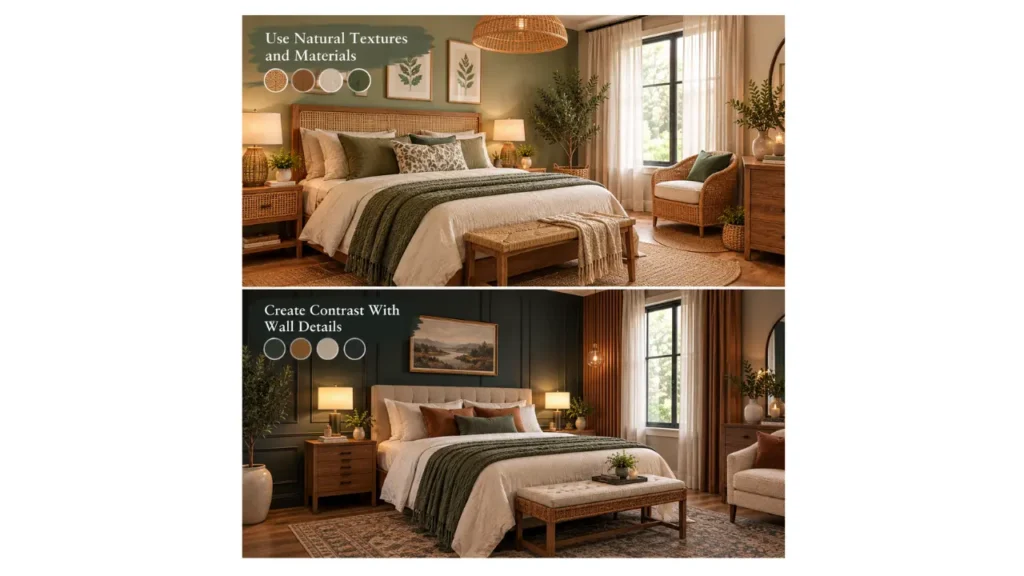
Use Natural Textures and Materials
Rattan, linen, wool, and unfinished wood all add tactile interest to a bedroom. These materials tend to age well and bring warmth that synthetic materials often lack.
A woven rattan headboard, a linen duvet cover, and a chunky wool throw together create a layered, textural look without relying on pattern alone.
Create Contrast With Wall Details
Wall details like wainscoting, board and batten, or picture-frame molding add architectural interest, especially in bedrooms with plain, builder-grade walls.
Painting the molding a different shade than the wall above it, such as a darker trim with lighter walls, adds subtle contrast without overwhelming the room.
Use Wallpaper to Transform Your Bedroom
Wallpaper has made a significant comeback, offering a level of detail and depth that paint alone can’t achieve.
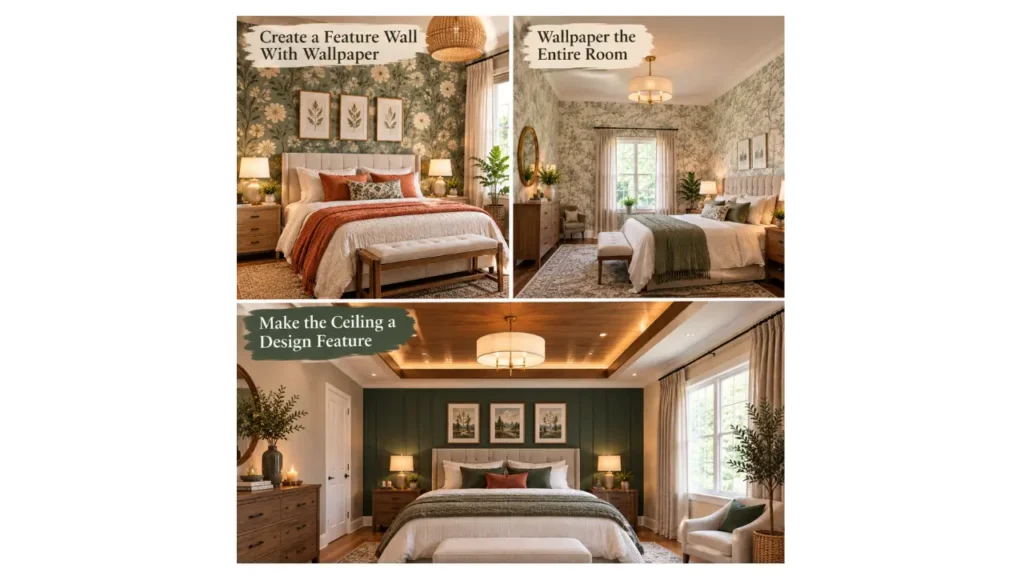
Create a Feature Wall With Wallpaper
A single wallpapered wall, usually behind the headboard, is one of the easiest ways to add pattern without committing to an entire room.
Bold botanical prints, geometric patterns, or textured grasscloth all work well as feature walls, since the surrounding plain walls balance out the visual weight.
Wallpaper the Entire Room
For a more immersive effect, wallpapering all four walls creates a cocoon-like feeling. This approach works best with smaller-scale patterns or muted colors, since a bold print can feel overwhelming at full scale.
This option suits bedrooms where you want a strong design statement and don’t plan to change the look frequently, since removing wallpaper from an entire room is more involved than repainting.
Make the Ceiling a Design Feature
The ceiling is often called the “fifth wall,” and it’s frequently ignored in bedroom design. Wallpapering the ceiling, especially with a patterned or textured design, adds an unexpected layer of interest.
This works particularly well in bedrooms with lower ceilings, where a patterned ceiling can actually make the room feel more intentional rather than cramped.
Upgrade Bedroom Lighting
Lighting affects both the function and the mood of a bedroom more than most people realize.
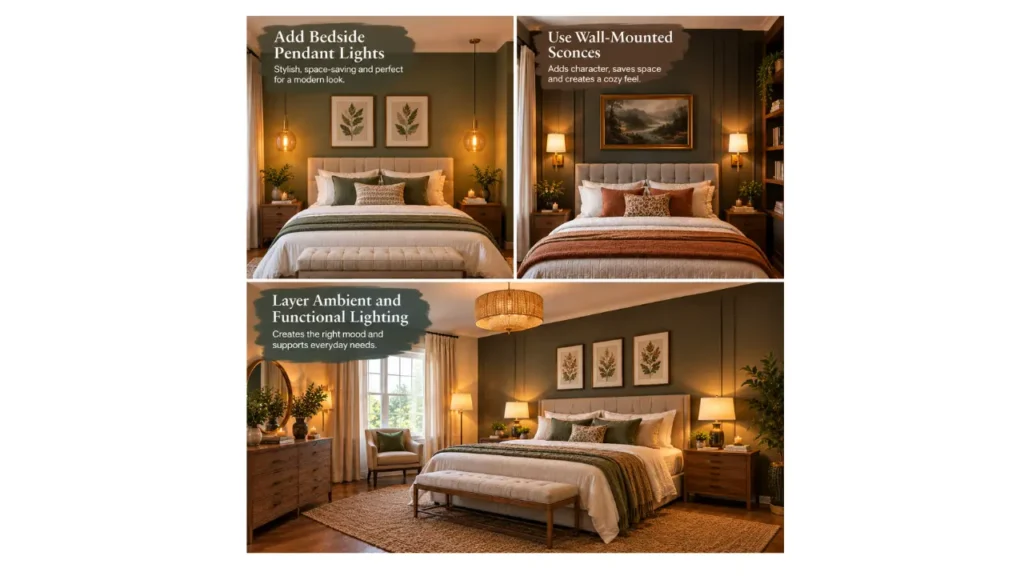
Add Bedside Pendant Lights
Pendant lights hung above nightstands free up surface space and add a modern touch. They work particularly well in smaller bedrooms, where nightstand space is limited.
Choose pendants with adjustable height so the light falls at a comfortable level for reading.
Use Wall-Mounted Sconces
Sconces serve a similar purpose to pendant lights but tend to suit more traditional bedroom styles. Swing-arm sconces are especially practical, since they can be angled directly toward a book or pulled back when not in use.
Layer Ambient and Functional Lighting
A well-lit bedroom uses more than one light source. Combine soft ambient lighting, like a dimmable ceiling fixture, with functional task lighting near the bed and a floor or table lamp elsewhere in the room.
This layered approach lets you adjust the room’s mood depending on the time of day or activity, from bright morning light to a dim, relaxing glow before sleep.
Decorate With Rugs and Natural Elements
Rugs and organic materials add warmth and softness underfoot, both literally and visually.
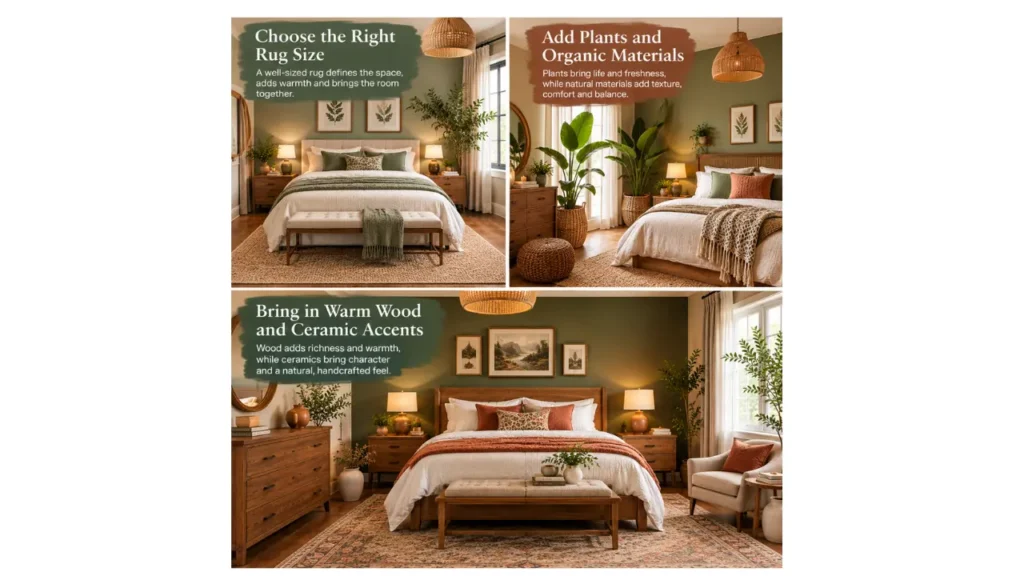
Choose the Right Rug Size
A rug that’s too small can make a bedroom feel disjointed. As a general guideline, the rug should extend at least a foot beyond each side of the bed, or sit large enough that your feet land on it when you step out of bed.
In larger bedrooms, a rug that extends under the nightstands ties the whole furniture arrangement together.
Add Plants and Organic Materials
Plants bring life and softness to a bedroom, even for those without a lot of natural light. Low-maintenance options like snake plants or pothos tolerate a range of conditions and require minimal care.
Beyond live plants, dried grasses, woven baskets, and natural fiber decor all reinforce an organic, grounded feel.
Bring in Warm Wood and Ceramic Accents
Wood tones and ceramic finishes add warmth without requiring a full furniture overhaul. A wooden tray on the nightstand, a ceramic lamp base, or a wood-framed mirror all contribute to a more layered, finished look.
Create a Stylish Bedroom With Eclectic Decor
Not every bedroom needs to follow a single, cohesive design style. An eclectic approach can feel more personal and lived-in.
Mix Personal Pieces With Modern Decor
Family heirlooms, thrifted finds, and new purchases can all coexist in the same room. The key is repetition: pick two or three colors or materials that appear throughout the space so the mix feels curated rather than accidental.
Let Travel and Memories Inspire Your Space
Souvenirs, photographs, and mementos from meaningful trips or moments add a layer of personality that store-bought decor can’t replicate. A gallery wall of travel photos or a shelf of collected objects turns a bedroom into a reflection of your life.
Embrace an Eclectic Bedroom Style
An eclectic bedroom often combines multiple eras, patterns, and materials. The trick to making it work is restraint in one area, whether that’s a limited color palette or a consistent style of furniture legs, so the variety elsewhere doesn’t feel overwhelming.
Bedroom Ideas for Small and Unique Spaces
Not every bedroom is a perfect rectangle with generous square footage. These ideas help awkward or compact spaces feel just as intentional.
Make a Small Bedroom Feel Balanced
In a small bedroom, scale matters more than in a larger room. Oversized furniture can overwhelm the space, so choose pieces sized appropriately for the room’s dimensions.
Light colors, mirrors, and furniture with visible legs, rather than solid bases, all help a small bedroom feel more open.
Make the Most of an A-Frame Bedroom
Sloped ceilings and A-frame rooms come with unique challenges, but they also offer character that standard rooms lack. Place the bed under the tallest part of the ceiling where possible, and use the lower, sloped areas for storage or seating.
Built-in shelving that follows the slope of the roof makes efficient use of otherwise awkward space.
Use Smart Storage to Save Space
Under-bed storage, built-in wardrobes, and multi-functional furniture like storage ottomans all help small bedrooms stay organized without sacrificing floor space.
Vertical storage, such as tall, narrow bookshelves, also makes better use of limited square footage than wide, low furniture.
Popular Bedroom Design Trends for 2026
Bedroom trends continue to move toward warmth, texture, and personalization rather than stark minimalism.
Warm and Earthy Color Palettes
Earthy tones like terracotta, olive, and warm sand continue to replace the cool grays that dominated bedroom design in previous years. These colors tend to feel more grounded and less clinical.
Layered Textures and Natural Materials
Expect to see more linen, boucle, rattan, and unfinished wood throughout bedroom design. This shift reflects a broader preference for materials that feel tactile and authentic rather than polished and uniform.
Statement Ceilings and Wallpaper
As mentioned earlier, ceilings are increasingly treated as a design opportunity rather than a blank surface. Wallpaper, in general, continues to gain popularity as an alternative to plain painted walls.
Personalized and Collected Decor
Rather than buying a matching furniture set, more people are curating their bedrooms over time, mixing vintage finds, personal keepsakes, and a few new pieces. This collected-over-time look tends to feel warmer and more authentic than anything purchased all at once.
Final Tips for Creating Your Dream Bedroom
You don’t need to implement every idea in this list to create a bedroom you love. Start with the fundamentals: a practical layout, comfortable bedding, and lighting that suits how you actually use the room.
From there, add color and texture in ways that reflect your own taste rather than chasing every trend. A bedroom filled with pieces that mean something to you will always feel more stylish than one assembled purely to match a trend.
Whether your space is large or small, straightforward or full of architectural quirks, there’s a version of a stylish, cozy bedroom that fits it. The best approach is often the simplest one: pick a direction, layer in warmth and personality gradually, and adjust as you go.

2 Comments